
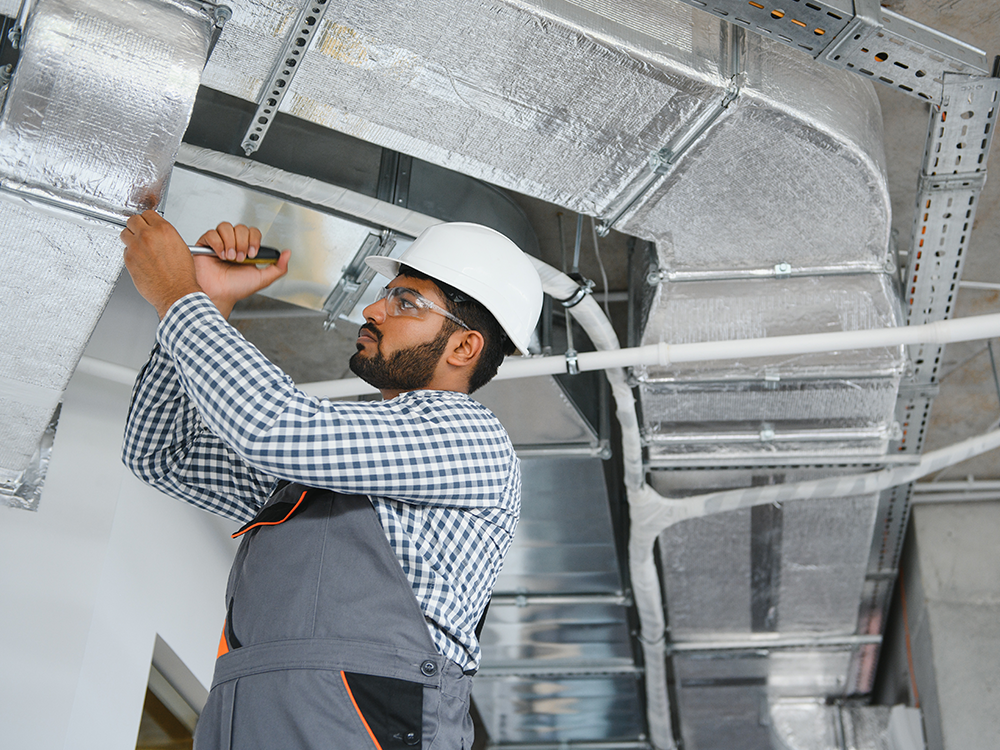
Duct leakage can waste cooling and heating even when the equipment is working normally, because conditioned air may be escaping into an attic, crawlspace, or wall cavity instead of reaching the rooms. Homeowners often notice uneven temperatures, dusty air, higher bills, or a system that runs longer than it used to, yet the ducts remain out of sight, making the problem feel hard to prove. HVAC services can identify duct leakage without demolition by using pressure behavior, airflow patterns, and targeted diagnostic tools that reveal where air is leaving the system. The goal is to confirm whether leakage is significant, locate likely leak zones, and recommend sealing steps that improve comfort without tearing open finished surfaces.
Finding leaks without opening walls
Clues That Point to Leakage Before Any Tools
Technicians often begin with symptom patterns because duct leaks leave recognizable signs of discomfort and maintenance needs. Rooms far from the air handler may feel weak because air is lost before it reaches distant branches. Some homes show a hot-attic smell or a dusty odor at supply vents, which can happen when return ducts pull attic air through leaks. Whistling at registers or a loud return rush can indicate high static pressure, which worsens leakage because air seeks gaps and seams. Technicians also inspect insulation and duct layout, if visible in an attic, noting sagging flex duct, disconnected collars, torn jackets, and crushed sections that act as both a restriction and a leak. They check filter loading and dust buildup around supply boots, because leaks near boots can pull debris from wall cavities. A quick feel test at the air handler cabinet, plenums, and accessible joints can sometimes detect strong air movement. These clues do not quantify leakage, but they help prioritize testing locations and distinguish leakage symptoms from equipment issues like low airflow at the blower or thermostat placement errors.
Pressure Tests and Airflow Comparisons That Prove Leakage
To confirm duct leakage without demolition, HVAC services often use pressure-based testing and airflow comparisons. Static pressure readings can reveal whether the duct system is operating under abnormal resistance, and high pressure can magnify leakage at seams and connections. Some technicians use a duct leakage test that temporarily seals registers, pressurizes the duct system, and then measures how much air is required to maintain a set pressure. This provides a clear leakage figure and indicates whether sealing will deliver meaningful gains. Even without full duct testing, airflow comparisons can be revealing. Technicians may measure airflow at the return and compare it with airflow delivered to the supply to estimate losses, or they may look for rooms that receive noticeably less airflow than expected, given the duct size and distance. They also examine the return side carefully, because return leaks can be more damaging than supply leaks by pulling hot, dusty air into the system. During many comfort investigations, a Summerlin, Las Vegas Air Conditioning Repair Service may use these pressure and airflow methods to document leakage before recommending sealing, because homeowners often want proof that duct repairs will actually change performance. The value of pressure-based testing is that it objectively shows leakage and helps distinguish it from general airflow restriction.
Visual, Smoke, and Thermal Tools for Pinpointing Leak Zones
Once leakage is confirmed, technicians use noninvasive tools to narrow where the leaks are likely located. Visual inspection of attics and crawl spaces remains important because many major leaks occur at obvious points, such as disconnected flex duct, torn inner liners, loose straps that pull ducts off collars, or poorly sealed plenum transitions. For smaller leaks, smoke pencils or theatrical fog can show air being drawn into a joint or blown out of a seam, especially when the system is running, and pressure differences are present. Thermal imaging can sometimes reveal temperature streaks where cold supply air is leaking into a hot attic or where warm attic air is entering a return duct, creating a mixed-air pattern. This approach works best when there is a strong temperature difference between duct air and the surrounding space. Technicians also check boots at registers, since gaps around boots can leak into wall cavities and reduce delivered airflow. They may listen for air hiss at seams and use hand checks along accessible joints. These tools avoid demolition by relying on observing air movement and temperature signatures rather than opening finishes. When multiple indicators point to the same zone, technicians can recommend sealing the leaks that are most impactful first.
What Sealing Fixes First Makes Sense
HVAC services can identify duct leakage without demolition by combining symptom patterns with pressure testing, airflow comparisons, and noninvasive tools such as smoke checks and thermal imaging. These methods confirm whether leakage is significant and help narrow leak zones in plenums, joints, boots, and accessible duct runs in attics or crawl spaces. Leakage findings often explain uneven comfort, longer runtimes, and dusty air even when the equipment is functioning. With proof in hand, technicians can recommend targeted sealing and reconnection work to improve delivery and reduce waste without tearing open finished surfaces.
About the Author