
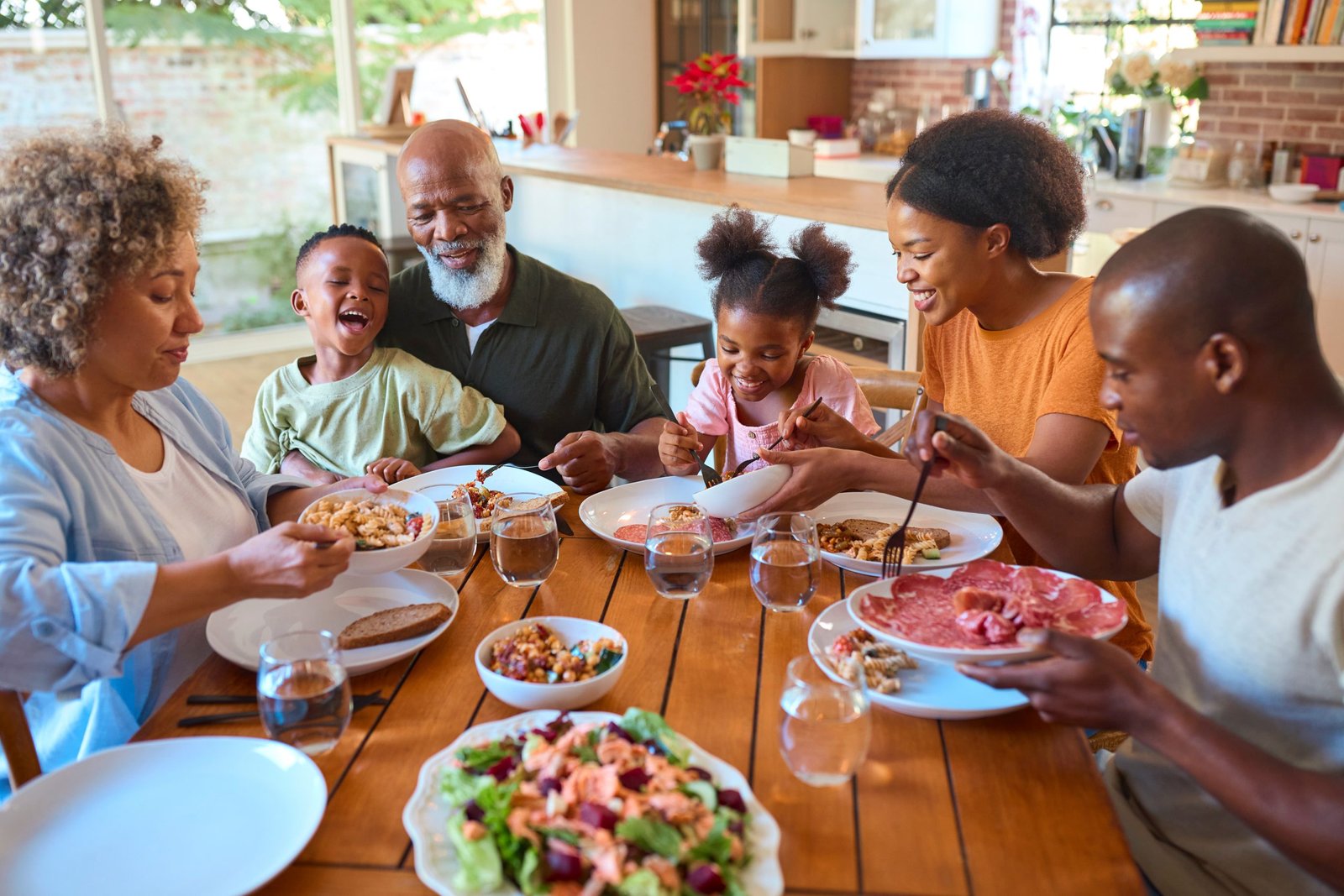
A healthy family lifestyle starts at home. The way a home is designed, organized, and maintained directly affects daily routines, emotional well-being, and relationships among family members. From indoor living spaces to outdoor gardens, thoughtful choices help families live more comfortably and happily.
Modern families are now focusing on homes that support both togetherness and personal space. A well-balanced home encourages communication, relaxation, and long-term harmony.
The Importance of a Strong Family Lifestyle
Every family benefits from routines, shared values, and comfortable living environments. A positive family lifestyle is not just about spending time together, but also about how the home supports daily life.
Living rooms and dining areas promote bonding, while bedrooms and quiet corners give individuals the privacy they need. When a home supports balance, stress levels decrease and relationships improve naturally.
Shared Spaces and Personal Comfort
A well-planned home includes both shared and personal spaces. Kitchens and living rooms bring families together, while bedrooms and study areas allow individuals to relax independently.
Respecting personal space is essential in family life. It reduces conflict and supports emotional health. Homes that allow freedom and comfort help every family member feel valued.
Home Design That Supports Daily Life
Good home design is not about luxury—it’s about function and comfort. Storage solutions, natural lighting, and flexible furniture all contribute to smoother daily routines.
When homes are designed thoughtfully, families spend less time dealing with clutter and stress and more time enjoying meaningful moments together.
The Role of Outdoor Spaces in Family Living
Outdoor areas are just as important as indoor spaces. Gardens, patios, and yards provide room for relaxation, play, and family activities.
Gardening also teaches responsibility, patience, and appreciation for nature—especially for children. Families who spend time outdoors often experience better mental and physical health.
Families looking to improve their outdoor spaces can benefit from practical garden advice for families that helps create relaxing, functional, and low-maintenance gardens.
Family Traditions and Home Environment
Family traditions bring joy and unity. These can be simple, like weekly dinners, weekend walks, or celebrating small achievements together. Traditions give family members something to look forward to and create a strong sense of belonging.
Over time, these shared experiences turn a house into a true home filled with memories.
Creating a Long-Term Family-Friendly Home
A family-friendly home evolves with time. As children grow and lifestyles change, homes should adapt. Flexible layouts, smart storage, and multifunctional spaces help families stay comfortable for years.
Investing in home improvements that support family needs always pays off in happiness, stability, and peace of mind.
Final Thoughts
A balanced family lifestyle depends on more than routines—it depends on the spaces where life happens. Thoughtful home design, meaningful traditions, and welcoming outdoor areas all play a role in creating a healthy family environment.
When homes support connection, comfort, and growth, families thrive naturally.