The word Fascisterne comes from the Danish language and simply means “the fascists.” It was mainly used to describe people who supported fascist ideas, especially in Europe during the early twentieth century. These ideas focused on strong authority, strict control, and extreme love for the nation, often above personal freedom.
To understand fascisterne in easy terms, imagine a group of people who believe that a country should be ruled by one strong leader. They think this leader should have full power to make decisions without debate. Democracy, free speech, and disagreement are seen as weak or dangerous. People who agreed with this way of thinking were often labeled as fascisterne in Denmark.
Meaning and Language Background
The word fascisterne is the plural form of fascist in Danish. It comes from the Italian word fascismo, which itself comes from fascio, meaning a bundle or group tied together. The idea behind this word was unity through strength, where individuals were expected to sacrifice their freedom for the nation.
As the idea spread across Europe, different countries adopted their own versions of the word. In Denmark, fascisterne became a common term in newspapers, political discussions, and public debates. It was often used critically, especially by people who opposed authoritarian rule.
Over time, the meaning of fascisterne expanded. It no longer referred only to political party members. It also described a mindset that rejected democracy and supported force, obedience, and strict social control.
Historical Roots of Fascisterne
The roots of fascisterne can be traced back to the period after World War I. Many European countries were struggling with economic collapse, unemployment, and political instability. People were afraid of chaos and uncertain about the future.
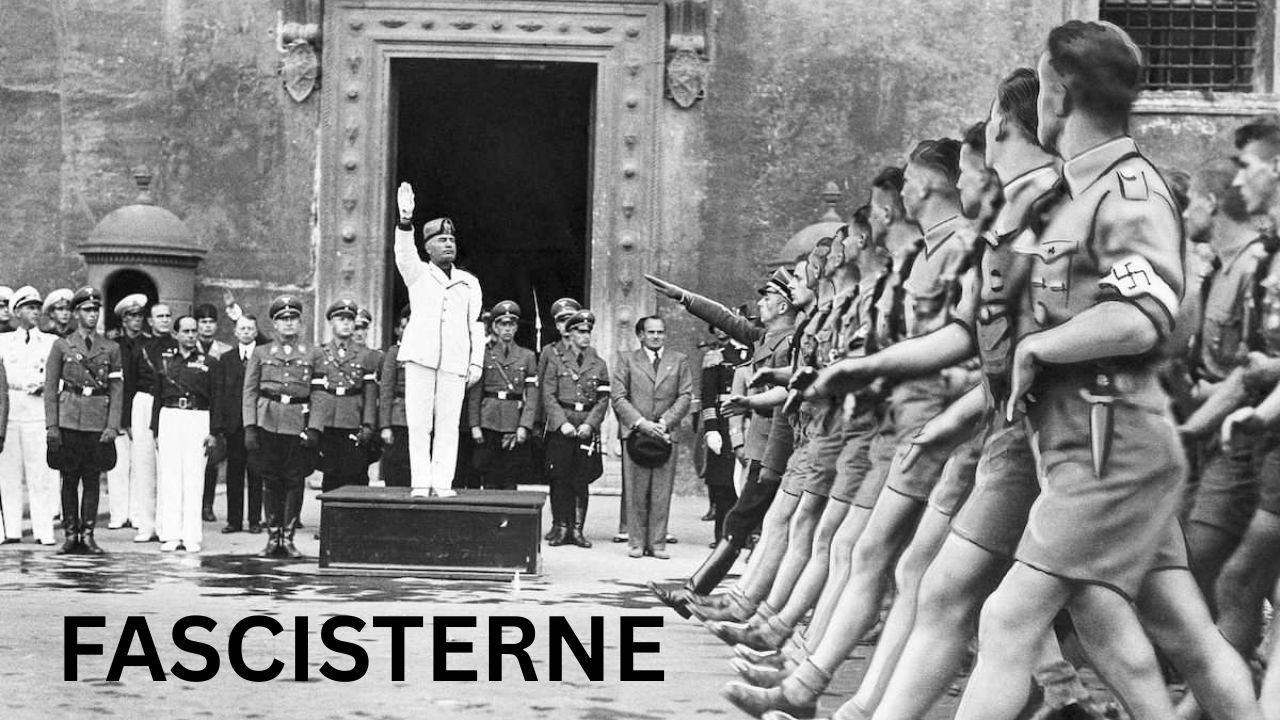
Fascist movements promised simple solutions. They claimed that strong leadership and national unity could fix economic and social problems. These ideas became popular in countries like Italy and Germany, where fascist governments eventually took power.
Although Denmark did not experience fascism on the same scale, these ideas still influenced some groups. The people who followed or supported these ideas became known as fascisterne within Danish society.
Fascisterne in Denmark
In Denmark, fascisterne were mainly connected to small political movements that admired Nazi Germany. The most well-known group was the National Socialist Workers’ Party of Denmark. This party tried to copy the structure and ideology of German Nazism.
Despite their efforts, fascisterne never gained widespread support in Denmark. Most Danish citizens believed in democracy, freedom of speech, and social cooperation. Elections showed that fascist parties received very few votes.
However, during the German occupation of Denmark from 1940 to 1945, fascisterne became more visible. Some members cooperated with occupying forces, while others tried to influence Danish politics under German control. This period deeply damaged the reputation of fascisterne in Danish history.
Beliefs and Ideas Behind Fascisterne
The ideas behind fascisterne were based on control, obedience, and nationalism. Supporters believed that the nation was more important than individual rights. They often rejected democracy, seeing it as slow and weak.
Some common beliefs associated with fascisterne included:
- Strong leadership without opposition
- Strict social order and discipline
- Suppression of political enemies
- Heavy use of propaganda
- Emphasis on national identity
These beliefs often led to discrimination and violence. History shows that fascist systems caused suffering, censorship, and loss of freedom for many people.
Fascisterne During World War II
World War II was a defining period for the meaning of fascisterne. Denmark was occupied by Nazi Germany, and this changed how people viewed fascist ideas forever. Some fascisterne openly supported the occupiers and hoped to gain power through cooperation.
At the same time, many Danes joined resistance movements. These groups fought against fascism and occupation, risking their lives to protect freedom and democracy. This contrast made fascisterne appear even more isolated and unpopular.
After the war ended, people associated with fascisterne faced social rejection and, in some cases, legal punishment. Fascist ideology was widely condemned, and Denmark worked to rebuild its democratic values.
Modern Use of the Word Fascisterne
Today, the word fascisterne is mostly used in historical discussions. It appears in books, documentaries, and school lessons about World War II and European politics. However, it is also sometimes used in modern debates.
In modern language, calling someone fascisterne often means accusing them of being authoritarian, intolerant, or anti-democratic. This usage can be controversial, as the word carries strong emotional meaning and historical pain.
Because of this, historians and educators often stress the importance of using the word carefully and understanding its true background.
Why Understanding Fascisterne Matters Today
Learning about fascisterne is important because history often repeats itself in new forms. Understanding how fear, anger, and misinformation helped fascist ideas spread can help societies avoid similar mistakes.
When people know what fascisterne represents, they are better able to:
- Recognize authoritarian behavior
- Protect democratic values
- Support freedom of expression
- Learn from historical mistakes
Remembering fascisterne is not about blame. It is about awareness. History teaches that democracy must be protected, and understanding the past is one of the strongest tools for building a better future.
Conclusion
Fascisterne is more than just a historical word; it represents a period when fear, strict control, and blind loyalty threatened freedom and democracy. Understanding what fascisterne means helps people see how harmful ideas can grow during times of crisis and why democratic values must always be protected. By learning from this history, readers can better recognize intolerance and authoritarian thinking in the present and choose awareness, dialogue, and freedom over control and division.
Read More: What Is Fanquer? Meaning Origin and Why People Are Talking About It
About the Author